
Freight Transport Tips for Safe and Efficient Delivery

Transporting freight safely and efficiently requires careful planning and clear communication. Without proper preparation, shipments can face delays, damage, or unexpected complications that affect delivery schedules and costs. This guide offers practical tips to help you prepare your freight for transport, ensuring it arrives on time and in good condition.

Provide a Detailed Freight List
One of the first steps to smooth freight transport is sharing a complete list of all items being shipped. This list should include:
Quantities of each item
Dimensions (length, width, height)
Approximate weight
Having this information upfront allows the transport provider to plan the right vehicle size and loading method. For example, knowing that you have several bulky items helps allocate enough space and avoid overloading. It also helps in estimating fuel costs and delivery time more accurately.
A detailed list reduces the chance of surprises on pickup day and helps avoid delays caused by last-minute adjustments.
Send Photos of All Freight Items
Photos provide visual confirmation of the freight’s size, shape, and condition. This is especially important for:
Large or bulky items
Irregularly shaped cargo
Fragile or valuable goods
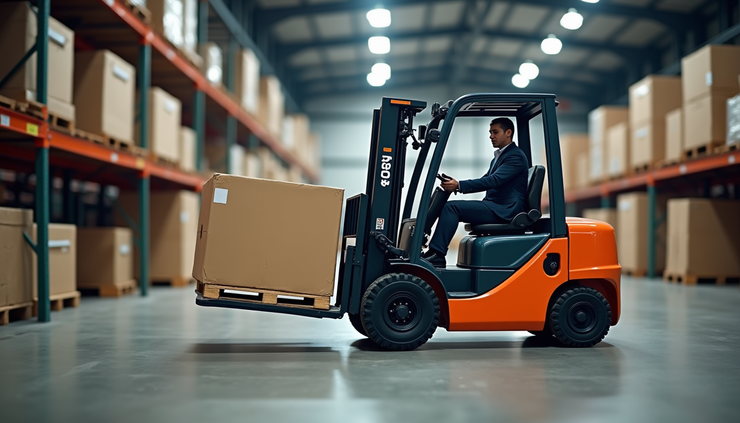
Clear images help the transport team prepare the correct equipment, such as forklifts or straps, and decide on the best way to secure the load. For example, a photo of an oddly shaped machine part can prompt the use of custom padding or supports.
Including photos with your freight list improves communication and reduces the risk of damage during loading and transit.
Inform About Heavy or Oversized Freight
Always notify the transport provider in advance if any items are particularly heavy or oversized. These items may require:
Special handling equipment
Additional manpower
Permits for oversized loads
Specific safety measures
For instance, a shipment containing industrial machinery weighing several tons will need a different approach than standard palletized goods. Early notice ensures the right resources are available and prevents last-minute cancellations or delays.
Failing to disclose heavy or oversized freight can lead to safety hazards and costly rescheduling.
Confirm Pickup and Delivery Access
Access details at both pickup and delivery locations are crucial for smooth operations. Share information such as:
Loading zones and dock availability
Parking restrictions or permits
Operating hours of facilities
Any security or entry requirements
For example, if the delivery site has narrow streets or limited parking, the driver needs to know in advance to plan the route or use smaller vehicles. Similarly, if the pickup location closes early, the freight must be ready before closing time.
Clear access details prevent delays caused by waiting for entry or finding alternative parking.
Have Contact Persons at Both Locations
Ensure there is a designated contact person available at both the pickup and delivery points. This person should:
Provide access to the freight
Answer any questions the driver or handlers may have
Confirm the correct placement of items upon delivery
Having a reliable contact helps resolve issues quickly and keeps the process moving. For example, if the driver encounters a blocked loading dock, the contact can provide instructions or arrange alternative loading.
Without a contact, shipments risk being delayed or misplaced.
Ensure Freight Is Ready for Pickup
Freight should be fully packed, wrapped, and ready at the scheduled pickup time. This means:
Items are securely packed to prevent damage
Pallets are wrapped or strapped
Labels and documentation are attached
Delays often happen when freight is not ready, causing the driver to wait or reschedule. For example, if a shipment requires special packaging materials, these should be applied before pickup.
Being prepared helps keep the delivery on schedule and avoids extra costs.
Label Freight Clearly
Clear labeling is essential to avoid confusion during transport and unloading. Labels should include:
Destination address or location within the delivery site
Handling instructions (e.g., fragile, keep upright)
Any special notes such as temperature requirements
For example, a pallet marked “Fragile – Handle with Care” alerts handlers to take extra precautions. Labels also help ensure items are placed in the correct area at delivery, reducing the risk of loss or damage.
Proper labeling supports efficient and safe handling throughout the transport process.

Final Thoughts on Safe and Efficient Freight Transport
Preparing your freight with detailed lists, photos, and clear communication makes a significant difference in delivery success. Sharing information about heavy items, confirming access, and having contacts ready at both ends prevents common delays and mishaps. Ensuring freight is packed and labeled properly supports safe handling and timely arrival.


Comments